

Quick Summary
The right handbag size is the one that comfortably holds your daily essentials without forcing you to overpack. Start by listing what you carry most days, then test a bag against that list. Medium bags suit most daily routines, while minis suit light days and large bags suit heavy carry.
- List your daily essentials first: phone, wallet, keys, sunglasses and a small water bottle.
- Medium bags fit most daily routines, holding essentials plus a tablet or bottle.
- Mini bags suit dinners and short trips, but need a second bag for a laptop.
- Check strap drop against your own shoulder-to-hip measurement before buying.
- Pack a typical day into the bag and close it without forcing the zipper.
Table of Contents
- Why Handbag Size Matters More Than Brand for Daily Carry
- Best Handbag Size for Everyday Use: Mini, Medium, and Large Compared
- Choosing an Everyday Handbag for Your Body Type
- Matching Bag Size to What You Actually Carry
- Everyday Designer Bag Crossbody Versus Shoulder Bag
- A Practical Capacity and Weight Test Before You Buy
- Booking an In-Person Fit Check Before Your Next Designer Purchase
- Frequently Asked Questions
Why Handbag Size Matters More Than Brand for Daily Carry
Last Updated: November 14, 2026
Choosing the right size designer handbag for daily use is less about the label and more about whether the bag holds what you actually carry. A bag that fits your phone, wallet, keys and water bottle will serve you well every day. A bag that doesn't will sit in the closet, no matter how well it is made. The first question to ask is simple: what does your day require?
Many people buy a handbag for how it looks in a photo and only discover its limits after a week of use. A handbag that is too small forces you to choose between your essentials and your comfort. One that is too large can pull on your shoulder and make a short errand feel like a chore. Size determines how often you reach for a bag, so it deserves more attention than the logo.
Start with a short list of daily essentials. Most people need room for a phone, a wallet, keys, sunglasses and a small water bottle. Add a tablet if you commute with work, or a notebook if you teach or take classes. Once that list is clear, you can judge any bag against it instead of guessing.
Best Handbag Size for Everyday Use: Mini, Medium, and Large Compared
Mini bags suit light days and evening outings, medium bags suit most daily routines, and large bags suit anyone carrying a laptop or gym gear. Each size trades capacity against comfort and ease of carrying.
| Size | Typical Use | Fits Daily Essentials | Best For |
|---|---|---|---|
| Mini | Dinners, short trips | Phone, cards, keys | Traveling light |
| Medium | Work, errands, weekends | Phone, wallet, bottle, tablet | Most daily routines |
| Large | Work plus gear, school runs | Laptop, pouches, extra layers | Heavy daily carry |
The Jumper Maybach's x Carlos Falchi Mini Satchel measures 13" x 6" x 3 ¾" with a 5 ½" handle drop and a removable 46" shoulder strap, so it can be carried as a handbag or crossbody.
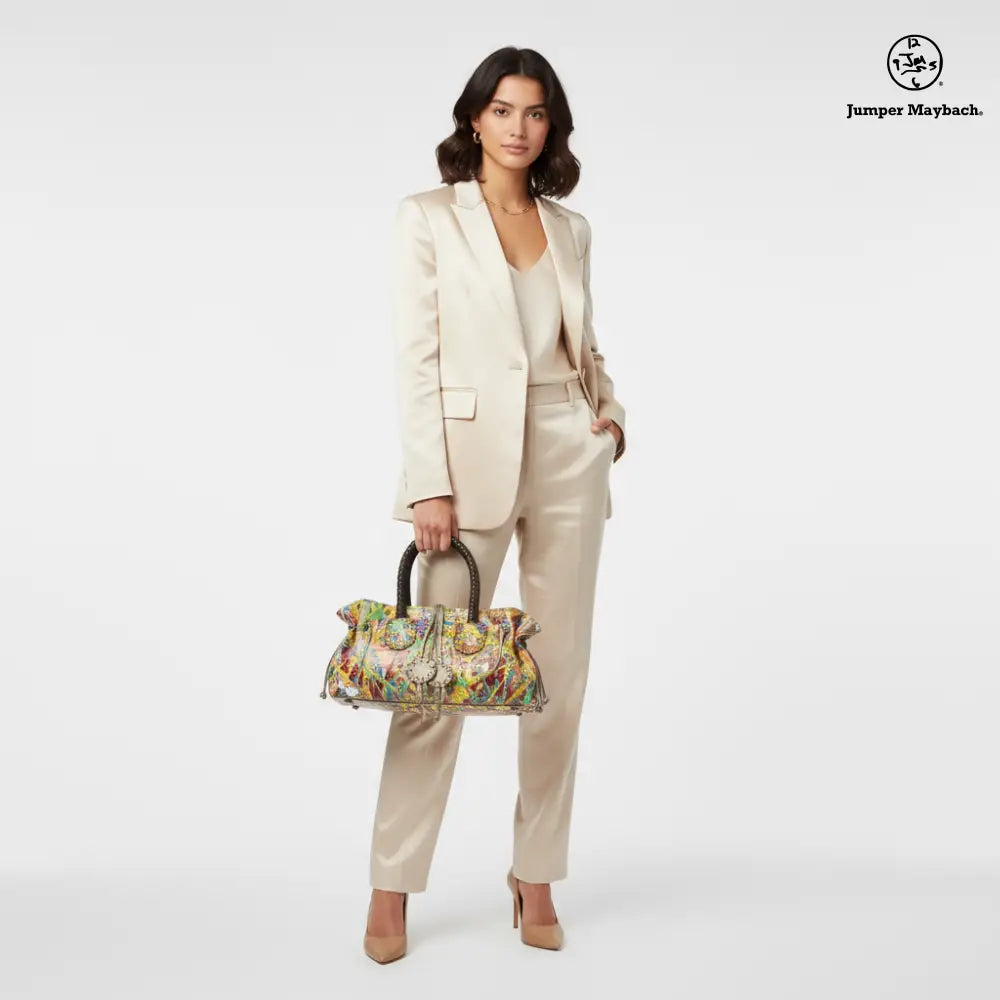
The Jumper Maybach's x Carlos Falchi Iconic Hobo measures 12 ½" x 12" x 6 ½" with a 10" handle drop. The tapered gusset provides a sleek design for such a roomy bag. Compare its size against your own list.
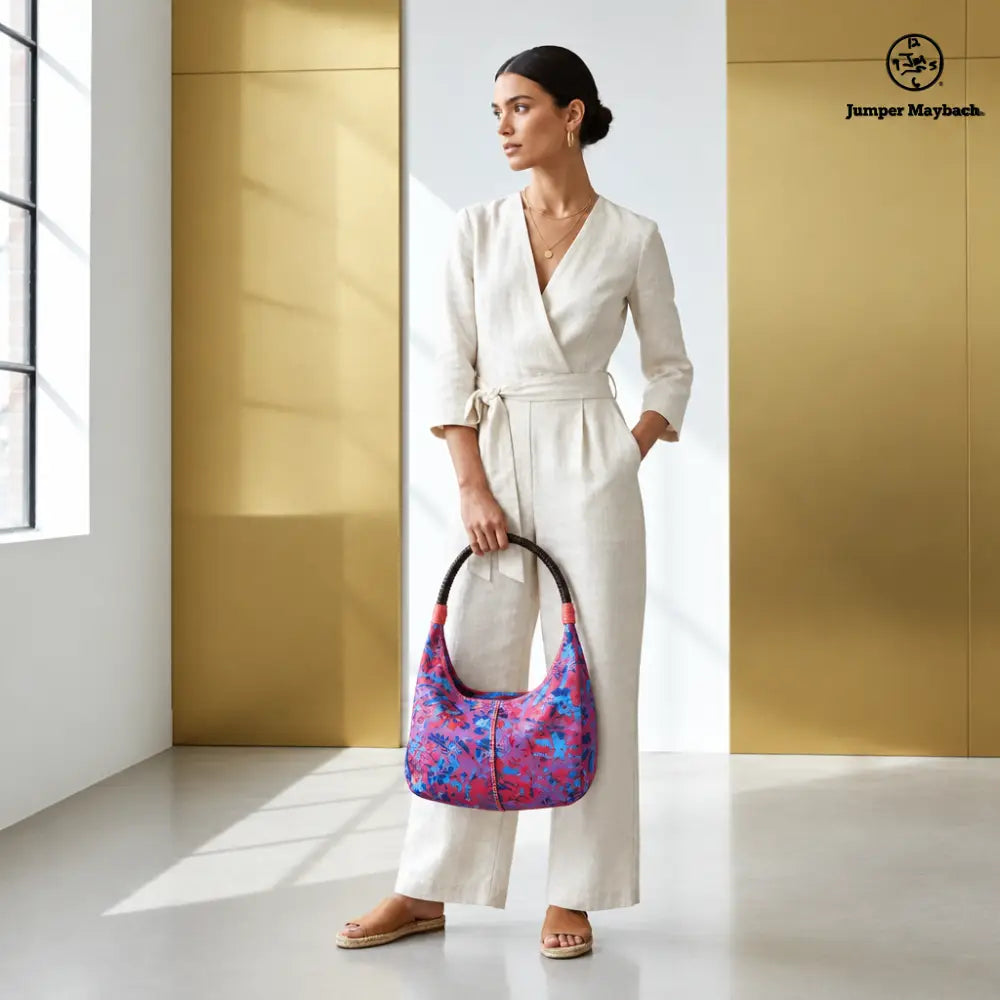
Pros and Cons of Each Size for Daily Utility
- Mini: Light and easy to carry, but you will need a second bag for a laptop or gym clothes. Easy to leave items behind if you pack too much.
- Medium: The most flexible option for most routines. It holds essentials and a few extras, though it can feel tight on very busy days.
- Large: Holds more than you think you need, which invites overpacking. The weight adds up over a full day, so check comfort before you commit.
Our Iconic Hobo is listed at $2,250.00 and the Mini Satchel at $1,750.00.
Choosing an Everyday Handbag for Your Body Type
Body frame affects how a bag looks and feels, but the useful variables are measurable: your height, torso length, shoulder width, and the bag's strap drop. A tall or broad-shouldered person can usually carry a larger bag without it dominating their outfit, while a smaller frame often looks better with a compact silhouette. Proportion matters more than rigid rules, so try bags on with your usual layers.
!A woman in a bright Houston apartment hallway trying a medium structured tote on her shoulder while checking the strap length in a mirror. The woman is American.
Strap drop is the measurement to watch. A shorter drop sits at the shoulder, which works well for crossbody carry, while a longer drop lets the bag rest at the hip. Check the handle drop before you buy and test it while wearing a jacket.
Use these starting ranges as a try-on guide, then adjust for your own comfort:
- Under 5'4": A bag body around 10" to 12" wide and 8" to 10" tall usually keeps the silhouette in proportion. A strap drop of 20" to 23" places a crossbody bag near the hip without swinging at the knee.
- 5'4" to 5'8": A 12" to 14" wide bag is a common sweet spot. A 22" to 24" crossbody drop sits comfortably at the hip, and a 9" to 10" shoulder drop clears a light jacket.
- Over 5'8": A 14" to 16" wide bag balances a longer frame. A 24" to 26" crossbody drop keeps the bag from riding too high, and a 10" to 11" shoulder drop works over most coats.
These are starting points, not rules. Torso length matters as much as total height: a long-torsoed person at 5'6" may prefer the drop that suits a 5'8" frame, and a short-torsoed person may prefer the opposite. Measure the distance from your shoulder to where you want the bag to sit, then compare that number to the listed strap drop.
Watch out: a crossbody strap that is too long will bounce against your hip or thigh while you walk, and one that is too short will bunch under your arm when you wear a coat. Adjust the strap in the mirror while wearing the layers you actually wear in Houston, a light cardigan in summer, a rain shell during storm season, before you commit. A strap adjusted to sit comfortably can also keep the bag’s weight from pulling unevenly on your shoulder, a balance worth considering with Strapistry.
For reference, the Jumper Maybach x Carlos Falchi Mini Satchel measures 13" x 6" x 3 ¾" with a 5 ½" handle drop and a removable 46" shoulder strap, so it can be worn as a short shoulder bag or adjusted to a long crossbody. The Jumper Maybach x Carlos Falchi Iconic Hobo measures 12 ½" x 12" x 6 ½" with a 10" handle drop. Compare those drops to your own shoulder-to-hip measurement before you decide.
Matching Bag Size to What You Actually Carry
Pack your normal day into the bag before you decide. Put in your phone, wallet, keys, sunglasses and water bottle, then add anything you carry most weeks. If everything fits with room to spare, the size works. If the bag closes only with effort, move up one size.
Consider your weekly rhythm as well. Work days, school pickup, errands and weekend plans each call for different capacity. Many people find one medium bag covers most of the week, with a mini reserved for dressier occasions.
Everyday Designer Bag Crossbody Versus Shoulder Bag
A crossbody bag keeps your hands free and the bag close to your body, which is useful in crowded places and on walking days. A shoulder bag is easier to slip on and off and works well when you carry a jacket or coat. The Mini Satchel can be carried as a handbag or crossbody.
Watch out: a crossbody worn too long can slide around and feel unbalanced once it is loaded. Adjust the strap until the bag sits at your hip.
A Practical Capacity and Weight Test Before You Buy
Capacity is easy to misjudge in a store. Use this simple test before you buy:
- Gather your daily essentials and anything you carry on a typical Tuesday.
- Place them on a table and measure the bag's interior dimensions, which are listed on each product page.
- Load the bag with everything, then close it without forcing the zipper.
- Carry it on your shoulder for ten minutes while walking. If it pulls, the bag is too heavy for daily use.
Measure the usable interior rather than the exterior footprint, and compare the bag's listed dimensions to the combined volume of your essentials rather than guessing from photos.
A common pattern is to underestimate packed weight. A phone, wallet, keys, sunglasses, and a filled 16-ounce water bottle commonly add up to 2 to 3 pounds before you add a tablet, notebook, or cosmetics pouch. A tablet can add roughly 1 to 1.5 pounds, and a small laptop can add 2.5 to 3.5 pounds. Weigh your loaded essentials on a kitchen scale to see how heavy the bag will be to carry daily.
Strap width and drop change how that weight feels. A narrow strap concentrates pressure on a small area of the shoulder, while a wider strap spreads the load. A short shoulder drop keeps the bag close to your torso and reduces swing, but it can bunch under a coat; a longer crossbody drop distributes weight across the opposite hip and frees your hands for errands, keys, and a phone. Test the bag with the strap adjusted to the length you will actually use, not the length it ships with.
If you are between sizes, consider the smaller bag that fits your essentials with a little room to spare rather than a larger bag that invites overpacking.
Booking an In-Person Fit Check Before Your Next Designer Purchase
Some decisions are easier in person. Holding a bag, checking the strap drop against your own shoulder and loading your real essentials gives you answers that photos cannot. If you are weighing two sizes, a fit check can save you from an expensive mistake. book a handbag fit check to browse the full range and compare sizes side by side before you choose.
For more context on how we approach artwork and design selection in your space, see how to use professional art curation services in Houston.
Frequently Asked Questions
What is the best handbag size for everyday use?
For most daily routines, a medium bag around 12 to 13 inches wide is the most versatile choice. It holds a phone, wallet, keys, sunglasses, and a water bottle without becoming heavy or hard to manage. Mini bags suit evenings and light outings, while large totes work better for workdays that include a laptop or tablet. Test any bag by packing your usual essentials before deciding, since listed dimensions do not show how much usable space the interior actually offers.
Is a crossbody or shoulder bag better for everyday use?
A crossbody keeps hands free and distributes weight across the body, which suits errands, school pickups, and walking. A shoulder bag is easier to grab quickly and works well with structured outfits. The Jumper Maybach x Carlos Falchi Mini Satchel can be carried as a handbag or crossbody with its removable 46-inch shoulder strap, so it covers both uses. Choose based on how often you need your hands free and how much you carry.
How should a handbag size relate to my body frame?
Proportion matters more than a fixed rule. A smaller frame often looks balanced with a mini or medium bag, while a taller or broader frame can carry a larger hobo or tote without looking overwhelmed. Check the handle drop as well: a 10-inch drop on the Jumper Maybach x Carlos Falchi Iconic Hobo sits differently on the shoulder than a 5.5-inch drop on the Mini Satchel, so try both on in person when possible.
What should I be able to fit in an everyday designer handbag?
A practical everyday bag should comfortably hold a phone, wallet, keys, sunglasses, and a small water bottle, with room to spare for a pouch or charger. Measure your usual load before shopping and pack it into the bag at a store or at home. If the bag only closes with everything pressed in, it is likely too small for daily use. The Iconic Hobo measures 12.5 by 12 by 6.5 inches and includes a cell phone pocket, a center pocket with separator, and key fob clip for organizing essentials.
